

What is it about a debut that the world so adores?
But not just any old debut, mind you—we want a newcomer with a story of runaway success and broken, no shattered, records.
The debut novel must tick all the boxes: perfect characters, compelling storylines, breathtaking descriptions, an endless list of awards, and impending movie deals. That’s a lot of pressure on a new author.
So it isn’t surprising that the fear of failure and high expectations derail many first books or keep authors from writing sequels if the debut isn’t a smash hit.
I often wonder why we demand debut success in a society where experience means more freedom and higher pay rates. We live by this mantra that hard work reaps rewards. For example, many wouldn’t want to be a surgeon’s first patient or the first client in a hairdresser’s chair. But at the same token, we expect performers or actors to win awards for their first albums or films. And our authors must have the raw talent to win Pulitzers with their very first novels.
But the definition of a debut novel has become somewhat blurry. Nowadays, many “breakout” authors have released novels under pen names, were self-published before they became agented, or might even have written enough fanfic to fill a few novels. And that’s not considering the experience they might’ve gained from working as editors or other publishing professionals—but these are the facts their publicists don’t want the public to know.
According to the ever-fabulous Joanna Penn’s book, The Successful Author’s Mindset, it is common practice to recall poorly performing debut novels, update the cover and blurb, perhaps give the author an initial or a pen name, and release it as a debut once again. If the book is a success the second time around, awesome! Otherwise, the project is done for.
Don’t get me wrong, this isn’t a hate post! I’m not bitter or pointing fingers at anyone. Heck, I technically have more than one debut novel, though I don’t count The Rise of the Exile Queen because I impulsively published it before it was ready. Before I was ready.
Once I’d stopped and considered what I’d done, realisation dawned. That book had received almost no polishing, and the grammar was truly atrocious. Like, truly. And I unpublished the book before it damaged my aspirations. The thirty people who purchased Exile Queen still don’t understand why, and I feel terrible that they are disappointed, but I didn’t want anyone to remember me only because that first book sucked.
Okay, sucked is a bit harsh. I love the essence of Eva’s story. The plot still tugs at my heartstrings, and I have this unquenchable urge to fix that trilogy (yes, there are three grammatical abominations in play here 🤣).
Terrible writing aside, these books were pivotal in my growth story. I imagined an entire plot and built a world around it, and it still floors me that my brain works in that way sometimes. But I didn’t have the skill to tell that story.
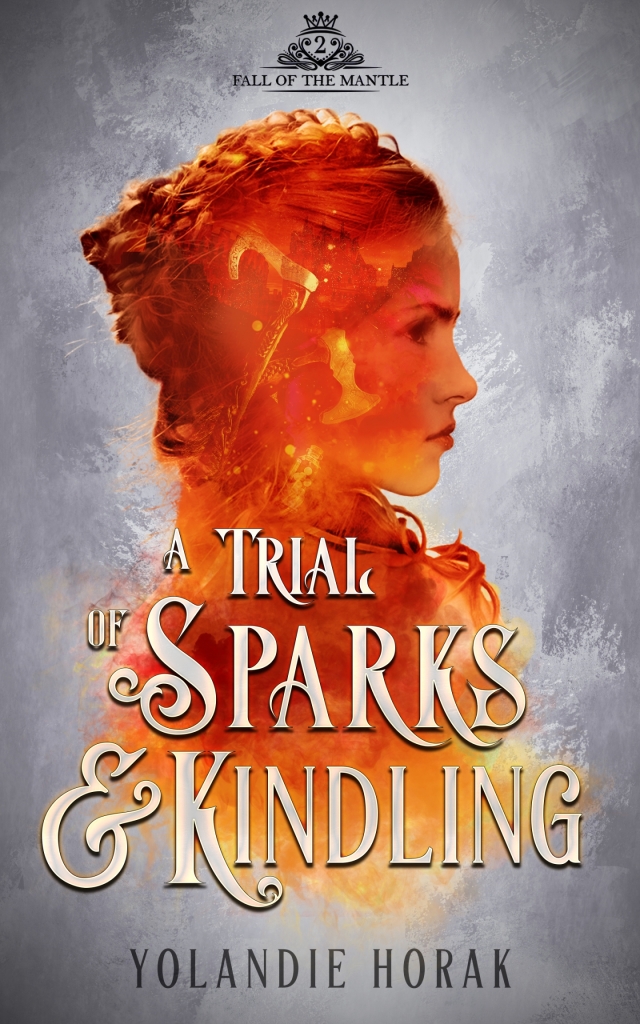
Thankfully, I didn’t give up. I applied what I’d learned to The Physician’s Apprentice (the original title of A Study of Ash & Smoke) and found a professional editor.
Nerine Dorman is one in a million. Most editors would’ve sent me to hell after reading a paragraph of the first draft, but she decided to teach me, endlessly patient, and I was too happy to learn. I grew as an author only because she took me under her wing.
My debut demanded effort. The Physician’s Apprentice became A Study of Ash & Smoke over seven drafts. Writing, rewriting, and editing for five years. The plot required total demolition and stronger foundations, with new viewpoint characters, story arcs, and improved world-building.
Friends told me I was overthinking. And of course, I was! I have anxiety, and overthinking is my default state. Meanwhile, other authors assured me I’d know once the book was ready because I’d hate it a little bit. The end zone would be hallmarked by the desire to toss my computer over the edge of a cliff and never speak of the writing process again.
I reached that point, all right.
But despite hating the thing, I was still so proud of it. So proud. All the work had made ASOAAS so much better than anything I could’ve imagined. It wasn’t perfect, but it was mine.
Of course, the romance wears off. Put a few years on a debut, and most authors would tell you what they’d change if they could rework it with their updated skill sets.
Mine is a list as long as a novella.
For example, I’d create a cohesive series plan. Yes, I’d had a basic idea of where the story was heading but had left too many blanks in between. In my defence, I didn’t know how to plan a novel in a way that complements my ADHD. Back then, I also didn’t know I have ADHD, but that’s a different story. 😂 The point is, I wrote whatever felt right at the moment. The pantsing method works for Stephen King and Margaret Atwood, but I now know I need more structure, especially where series are concerned.
As my own worst critic, knowing where and how I messed up my novel does not bolster creativity. Thankfully, I do a lot of beta reading, and I’ve edited or proofread for a few first-time novelists. And despite genre or experience levels, we all start with the same bright eyes and bushy tails and make the same mistakes.
We either over- or under-explain. Some of us write characters in empty spaces, no more than talking heads, while others describe in endless walls of text, sans action or dialogue. We often don’t know how to foreshadow, or we’re so on the nose that no event in the book comes as a surprise. And most of all, literally every new author relies upon lots of looks shared between characters and many, many hands. Hands on shoulders, hands on hips, hands on hands, and so on. We forget to show emotion with the rest of the face and body.
It’s funny, really. And sweet.
And of course, authors grow with each novel. Rarely any famous debuts are as good as the author’s later work. Every drop of experience brings us closer to mastering our craft.
This is exactly why many experienced writers advise newcomers to write fanfic first. It’s a great way to get all the smutty, non-plot progressing scenes out of our systems while honing our craft and retaining the coveted debut spot.
And that’s a great segue back to the question that started this discussion.
What is it about a debut? Why do we want stories of twelve-year-olds winning gold at their first Olympics or teens who made their first million by twenty-five, but we don’t want to think about how many hours they had to work or train to get there?
It’s easier to worship this idea of instant success and to believe that if we just dream hard enough, everything will fall into our laps. But instant success is a myth. Only so many people out there could write a Pulitzer-winning debut novel, but the rest of us have to work, stop and cry a little, and then work some more. Chances are, we won’t write a smash success with our first novel. Or the second, third, or fourth.
But, once we start to value the work we put into these projects and notice how much we grow from draft to draft and book to book, the entire process becomes worthwhile anyway. Just finishing a book, debut or not, is worthy of praise.
What are your thoughts? Why do you love a good debut success story, and what is your favourite debut novel? Please share!
Yolandie



 Yolandie Horak
Leave a reply to Writing Update – What’s Happening with Book 3? – Yolandie Horak Cancel reply